NAD+ peptide is a research molecule that interacts with cellular metabolic pathways, influencing energy production and enzymatic reactions. NAD+ participates in hundreds of enzymatic processes within cells, including redox reactions, energy metabolism, and DNA repair.
Its role as a coenzyme allows scientists to observe mechanisms that regulate cellular functions. Laboratory studies using NAD+ peptide examine the impact on mitochondrial function, enzyme activity, and molecular signaling.
Researchers studying NAD+ peptide aim to understand its contributions to cellular health, enzymatic regulation, and experimental metabolic modeling in controlled settings.
Molecular Basis of NAD+ Peptide Function
NAD+ acts as an electron carrier in redox reactions, converting between NAD+ and NADH forms within cellular pathways. This conversion is fundamental in glycolysis, the citric acid cycle, and oxidative phosphorylation, which together generate ATP.
NAD+ peptide serves as a research tool to study these reactions without influencing natural biological systems. Scientists monitor its effects on enzyme classes, including sirtuins, poly ADP ribose polymerases, and cyclic ADP ribose synthetases.
These interactions allow laboratories to trace energy distribution, intracellular signaling, and cellular response patterns with measurable outcomes.
Influence on Sirtuin Enzymes
Sirtuin enzymes interact with NAD+ peptide during laboratory experiments to study mitochondrial homeostasis and cellular energy regulation. These enzymes are linked to metabolic pathways that govern protein deacetylation, gene expression, and stem cell activity.
Researchers use NAD+ peptide to observe sirtuin-mediated changes in cellular respiration and mitochondrial efficiency.
Controlled studies allow scientists to analyze patterns in enzymatic activity, energy allocation, and adaptive metabolic responses without interpreting results as therapeutic applications.

NAD+ Peptide and DNA Repair Mechanisms
Poly ADP ribose polymerases, dependent on NAD+, participate in DNA repair processes, particularly in response to oxidative stress or genomic damage. NAD+ peptide is used in vitro to observe these mechanisms in neuronal or somatic cell cultures.
Research shows that NAD+ availability affects DNA base excision repair, protein PARylation, and recruitment of DNA repair factors.
By supplementing experimental cultures with NAD+ peptide, laboratories can monitor enzyme kinetics, repair efficiency, and cellular viability after induced stress conditions, creating a reproducible model for studying genomic stability.
Mitochondrial Function and Cellular Respiration
Experiments with NAD+ peptide focus on mitochondrial oxygen consumption, ATP synthesis rates, and electron transport chain efficiency. NAD+ acts as an electron acceptor in critical steps of glycolysis and the citric acid cycle, enabling conversion of nutrients into usable energy.
Researchers measure NADH formation, proton gradients, and oxidative phosphorylation activity to map energy flow within cells. Controlled NAD+ peptide studies provide insight into mitochondrial adaptability, redox balance, and intracellular signaling without introducing clinical interpretations.
Impact on Metabolic Signaling Pathways
NAD+ peptide studies explore interactions with cyclic ADP ribose synthetase enzymes, including CD38 and CD157. These enzymes influence calcium-dependent signaling and stem cell activity in experimental models.
Researchers use NAD+ peptide to quantify enzyme activity, evaluate substrate competition, and assess feedback within signaling networks.
These investigations illuminate how NAD+ concentrations affect multiple metabolic pathways simultaneously, offering a mechanistic understanding of cellular energy management and molecular communication.
NAD+ Peptide in Preclinical Research
Preclinical models often examine NAD+ peptide supplementation in aged or stressed animal systems to monitor physiological responses. Researchers track mitochondrial efficiency, lipid metabolism, glucose utilization, and neural signaling.
Studies indicate that intermediates such as nicotinamide mononucleotide and nicotinamide riboside contribute to enhanced NAD+ synthesis in cellular and tissue models.
Experiments remain within controlled laboratory settings, and observations guide understanding of metabolic regulation without implying therapeutic application.
Observing Skeletal and Cardiac Implications
Laboratory investigations using NAD+ peptide have examined skeletal muscle energy output, mitochondrial efficiency, and inflammatory markers. Researchers explore ATP production rates and cellular respiration to study energy allocation in muscle tissues.
Similarly, cardiac-focused studies evaluate NAD+ peptide effects on enzyme activity linked to oxidative stress, aortic constriction, and mitochondrial performance.
These controlled models allow exploration of metabolic interactions at the organ and cellular levels while maintaining experimental compliance standards.
Liver and Kidney Experimental Observations
NAD+ peptide is used in hepatic and renal research models to examine enzymatic regulation, metabolic homeostasis, and tissue-specific responses. Scientists monitor changes in SIRT activity, oxidative stress markers, and mitochondrial signaling.
Kidney and liver cultures treated with NAD+ peptide reveal insights into intracellular energy distribution, enzyme crosstalk, and adaptive responses to metabolic challenges.
Observations from these models contribute to a deeper understanding of NAD+ function without suggesting clinical effects.
NAD+ Peptide and Neuroprotection
Research with NAD+ peptide extends to neurodegenerative models, focusing on mitochondrial respiratory processes and energy metabolism in neuronal cultures. Scientists measure oxygen consumption rates, ATP generation, and DNA repair mechanisms under controlled oxidative stress conditions.
NAD+ peptide experiments reveal correlations between cellular energy management and enzymatic activity, allowing laboratories to study neuronal resilience and mitochondrial adaptability without interpreting findings as medical guidance.
High-Purity NAD+ Peptide and Laboratory Standards
Purity is paramount in NAD+ peptide research, as synthesis contaminants can alter signaling patterns, enzymatic activity, and reproducibility across experiments. Analytical techniques such as high-performance liquid chromatography, mass spectrometry, and amino acid sequencing validate molecular identity and concentration accuracy.
Laboratories require verified peptides to maintain consistent results and avoid interference in metabolic assays. High-purity NAD+ peptide supports accurate mapping of biochemical pathways and mechanistic observations.
Ethical Research Practices with NAD+ Peptide
Laboratories using NAD+ peptide follow strict ethical guidelines, labeling, and documentation protocols to maintain transparency in experimental design. Researchers separate mechanistic insight from clinical speculation, describing observed cellular responses without extrapolating to therapeutic claims.
Ethical standards ensure reproducibility, protect public understanding, and prevent misinterpretation of experimental outcomes. Using NAD+ peptide under controlled protocols supports the scientific method while maintaining regulatory and institutional compliance.
Acquiring NAD+ Peptide for Laboratory Studies
Researchers can source high-purity NAD+ peptide from reputable suppliers committed to analytical verification, batch tracking, and stability documentation. For experimental studies, buy peptides for laboratory-grade compounds supporting controlled research workflows.
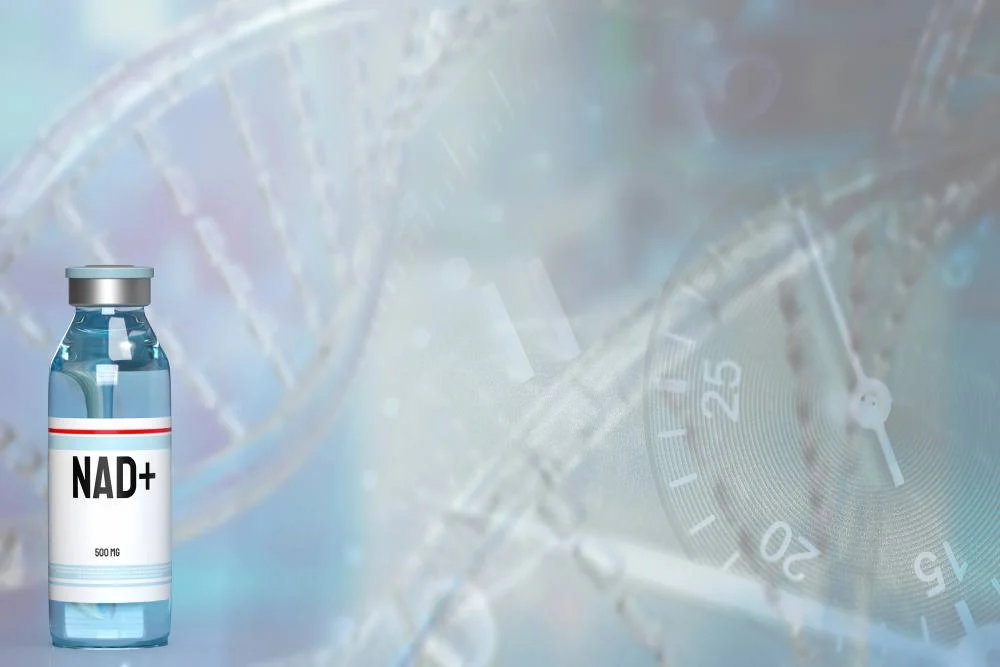
Investigators may also refer to (NAD+ 500mg) – NAD+ for detailed analytical information. Selecting peptides with proper validation affects data reliability, accuracy, and reproducibility in mechanistic studies.
Interpreting Data from NAD+ Peptide Experiments
Data interpretation focuses on cellular responses, enzymatic activity, and energy metabolism under controlled conditions. Researchers examine NAD+-dependent signaling, mitochondrial efficiency, and DNA repair pathways.
Observations provide insights into molecular interactions, pathway regulation, and intracellular communication. Scientists must avoid overextension of findings beyond experimental parameters, maintaining clarity between mechanistic knowledge and potential physiological implications.
How Pepsynth Labs Supports Laboratory Research
At Pepsynth Labs, we focus on custom synthesis of high-purity peptides designed for experimental and mechanistic studies. Laboratories can rely on our analytical documentation, controlled manufacturing processes, and collaborative support.
Our work allows researchers to study NAD+ peptides with confidence in purity, consistency, and reproducibility, advancing knowledge of metabolic pathways, enzymatic interactions, and intracellular signaling networks in controlled scientific environments.