Your Easy Guide to KPV 10 Peptide: What It Is, How It’s Made, and Why It Matters
If you’re curious about KPV 10 peptide and how it’s used in research, this guide breaks down everything you need to know in simple terms. From what KPV 10 is, to how scientists make it in the lab, and how to handle it safely and legally, we’ve got you covered. Plus, find links to related KPV 10 products to support your research.
Key Points to Remember
- What is KPV 10? It’s a small chain of three amino acids: lysine, proline, and valine, known for its anti-inflammatory effects.
- Research Uses: Studied mainly for conditions like inflammatory bowel disease and wound healing.
- How It’s Made: Most labs use a method called solid-phase peptide synthesis (SPPS) to create pure KPV 10 peptides.
- Quality Checks: Scientists use tools like HPLC and mass spectrometry to make sure the peptide is pure and correctly made.
- Storage Tips: Keep peptides cold, sealed, and away from light to keep them stable.
- Regulations: Follow FDA or local rules, keep good records, and buy from trusted suppliers with proper certificates.
- Other Synthesis Methods: Liquid-phase and microwave-assisted synthesis are also options, each with their own benefits.
- Experiment Design: Careful planning of doses, timing, and controls is key for meaningful results.
What Is KPV 10 Peptide and Why Is It Important?
KPV 10 is a tiny protein fragment made of three amino acids: lysine, proline, and valine. This tripeptide has been shown to reduce inflammation, making it interesting for researchers studying diseases like ulcerative colitis and for helping wounds heal faster. Knowing its properties helps scientists design better experiments and understand the results.
What Does KPV 10 Look Like Chemically?
The sequence is lysine–proline–valine, with a chemical formula of C12H22N4O4 and a molecular weight of about 270.33 g/mol. These details help labs analyze and prepare the peptide correctly.
Scientists are also exploring how changing parts of the KPV molecule can affect how it works and how stable it is.
Modifying KPV for Better Effects
For example, a modified version called H-KPV-NH2, inspired by a natural hormone, has shown both antimicrobial and anti-inflammatory benefits.
One study looked at changing the lysine part of KPV through a process called reductive “glycoalkylation” to improve its properties (AC Songok, 2018).
What Can KPV 10 Do in Research?
Research shows KPV 10 can calm inflammation and influence the immune system. It’s been tested in models of bowel disease and in wound healing studies, making it a promising tool for understanding and developing new treatments.
How Do Scientists Make KPV 10 Peptides in the Lab?
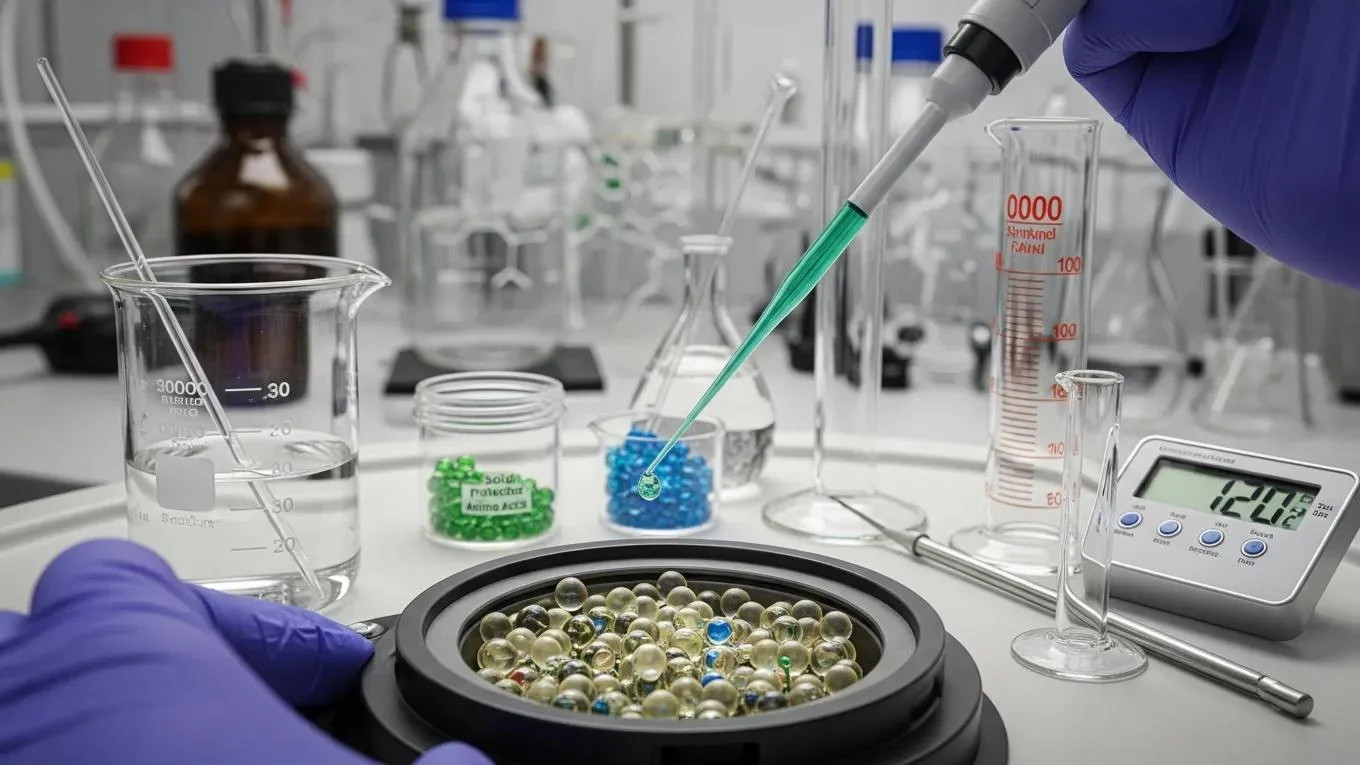
Making KPV 10 peptides involves carefully putting together the three amino acids in the right order. The most common way is called solid-phase peptide synthesis (SPPS), which builds the peptide step-by-step on a solid support. This method is reliable and produces high-quality peptides for research.
What Are the Steps in Solid-Phase Peptide Synthesis?
The process starts by attaching lysine to a resin, then adding proline and valine one at a time. Each step is checked to make sure the amino acids link properly. Automated machines and quality checks like HPLC help avoid mistakes and improve the final product’s purity.
How Do Labs Check Peptide Quality and Stability?
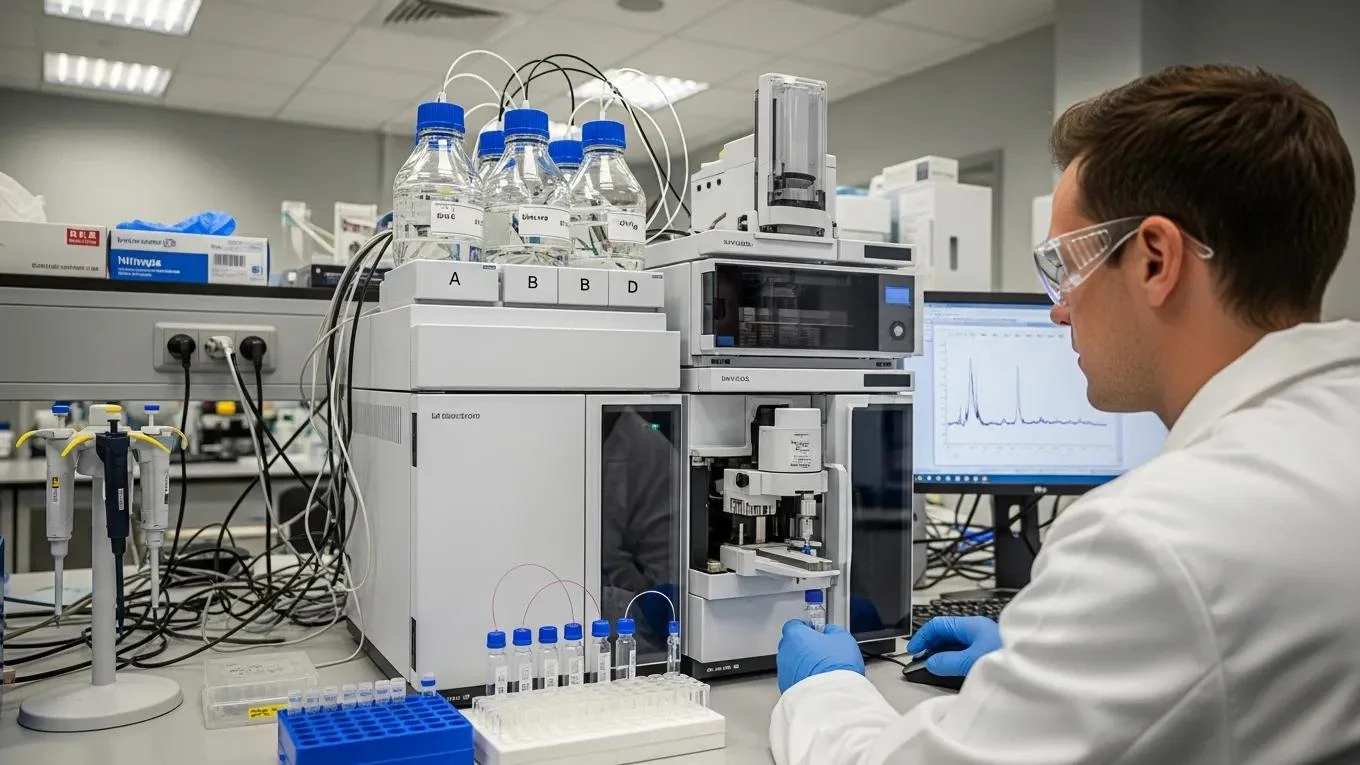
After synthesis, peptides are tested with HPLC to measure purity and mass spectrometry to confirm their exact weight. Stability tests under different storage conditions help determine how long the peptide stays good. All results are carefully recorded to ensure traceability and quality.
Good quality control also means keeping detailed documentation to meet safety and regulatory standards.
Why Quality Control Matters
Maintaining high standards in peptide quality is essential not only for safety and effectiveness but also to comply with regulations.
(Source: Synthetic peptides quality control and assurance, LS Perico-Franco, 2025)
How Should KPV Peptides Be Handled Safely in the Lab?
Always follow your institution’s safety rules to avoid contamination and protect everyone working with peptides. Label all materials clearly, control who can access them, and handle samples carefully to keep them intact.
What Are the Best Practices for Storing KPV Peptides?
Store peptides in the fridge or freezer inside airtight containers that block light. Follow all safety and ethical guidelines, and keep detailed records of storage conditions, batch numbers, and handling to ensure compliance and traceability.
How to Design Experiments Using KPV Peptides?
Plan your experiments with clear positive and negative controls, choose the right doses, and pick time points that make sense biologically. Document all methods and conditions so others can reproduce your work and trust your findings.
What Rules and Guidelines Should You Follow When Working with KPV Peptides?
Be aware of local and international regulations, such as FDA guidelines if applicable. Keep thorough records to support audits and regulatory reviews.
Which Regulations Apply to KPV Peptide Research?
Follow health authority standards to ensure your study protocols and lab practices meet safety, data integrity, and documentation requirements.
How to Buy KPV Peptides Responsibly?
Purchase from suppliers who provide certificates of analysis, detailed material specs, and traceability documents. Verify their credentials and keep records of your purchases to show due diligence. Check out our KPV 10 peptide products for trusted options.
This table shows common ways to make peptides and their main benefits. Choose the best method based on how much peptide you need, purity requirements, and available equipment.
KPV peptide research is growing fast. Stay updated on its properties, new synthesis methods, and regulatory rules to run strong, compliant studies. By combining good lab practices with thorough testing and documentation, your team can produce trustworthy results. Check out our KPV 10 peptide products and resources at Pepsynth Labs to support your work. For more insights on peptides, visit our related blog post: Peptide Synthesis Techniques Explained.
Frequently Asked Questions
Are there any side effects when using KPV peptides in research?
Some studies suggest that very high doses might cause mild inflammation or allergic reactions. Always perform safety tests and monitor carefully according to your institution’s guidelines.
How can I make sure my KPV peptide experiments are reproducible?
Keep detailed records of how you made and stored the peptide, and use validated tests with proper controls. Standardize your methods and share your protocols to help others replicate your work.
What’s the best way to dispose of KPV peptide waste?
Follow your institution’s and local regulations: sort waste properly, use designated containers, neutralize if needed, and document disposal. Train your team on safe waste handling.
What new developments are happening in KPV peptide research?
Researchers are exploring new medical uses, tweaking the peptide’s structure to improve effects and safety, and using faster synthesis methods like microwave-assisted techniques to boost efficiency.
How does KPV compare to other peptides for therapy?
KPV stands out for its anti-inflammatory properties and usefulness in bowel disease and wound healing studies. Comparing peptides involves looking at how they work, how effective they are, and their safety in controlled experiments.
Why is peptide stability important in KPV research?
Stable peptides keep their potency and last longer, which is crucial for reliable experiments. Control storage temperature, light exposure, and pH, use validated conditions like refrigeration, and test stability regularly to ensure quality.