
Research Peptides Frequently Asked Questions: Comprehensive Guide for Scientific Researchers
Research peptides are specialized biomolecules that play a crucial role in scientific research, particularly in the fields of biochemistry and molecular biology. These peptides, which are short chains of amino acids, are utilized for various applications, including drug development, metabolic studies, and tissue repair. Understanding the intricacies of research peptides is essential for researchers aiming to leverage their potential in laboratory settings. This article addresses common questions regarding research peptides, their synthesis, ordering processes, and best practices for storage and handling. By exploring these topics, researchers can ensure they are well-informed about the use of peptides in their studies.
What Are Research Peptides and Their Scientific Applications?
Research peptides are defined as short chains of amino acids that are synthesized for use in scientific studies. They serve various functions, including acting as signaling molecules, influencing metabolic pathways, and aiding in tissue repair. The significance of research peptides lies in their ability to mimic natural biological processes, making them invaluable in laboratory experiments. Their applications range from studying cellular mechanisms to developing therapeutic agents for various diseases.
How Do Research Peptides Support Laboratory Studies?
Research peptides support laboratory studies by providing specific biological activities that can be targeted for investigation. For instance, peptides like CJC-1295 and GHRP-6 are often used to study growth hormone release and its effects on metabolism. These peptides can enhance research outcomes by allowing scientists to manipulate biological systems in a controlled manner, leading to more accurate and reproducible results.
Which Peptide Types Are Commonly Used in Scientific Research?
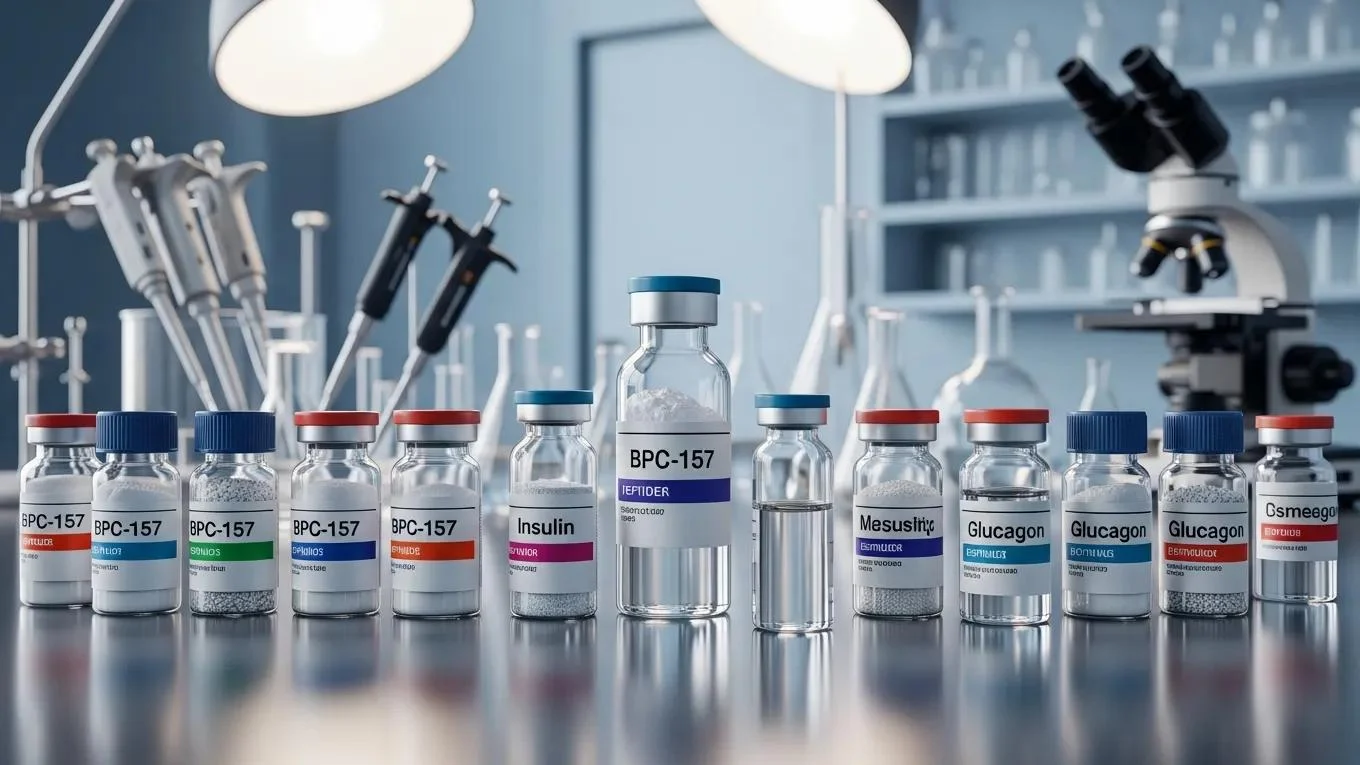
Several types of peptides are commonly used in scientific research, each with unique applications. For example, BPC-157 is known for its regenerative properties, making it popular in studies related to healing and recovery. Other peptides, such as insulin and glucagon, are critical in metabolic research. Understanding the specific applications of these peptides helps researchers select the appropriate compounds for their studies.
Further research highlights the specific regenerative capabilities of BPC-157 in various tissues and organs, underscoring its broad therapeutic potential.
BPC-157 Peptide: Applications in Tissue & Organ Healing
Thereby, we focused on the stable gastric pentadecapeptide BPC 157, a peptide given always alone vs. standard peptidergic angiogenic growth factors (EGF, FGF, VEGF), and numerous carriers. Further, we reviewed how the gastrointestinal tract healing could be generally perceived (i) in terms of angiogenic growth factors, and/or (ii) through the healing of extragastrointestinal tissues healing, such as tendon, ligament, muscle and bone, and vice versa.
BPC 157 and standard angiogenic growth factors. Gastrointestinal tract healing, lessons from tendon, ligament, muscle and bone healing, S Seiwerth, 2018
In addition to these, other peptides have gained attention for their unique biological effects. GHK-Cu, a copper-binding peptide, is notable for its role in wound healing, anti-inflammatory effects, and skin regeneration. It has been extensively studied for its ability to promote collagen synthesis and tissue repair, making it valuable in dermatological and regenerative medicine research.
Metabolic peptides such as 5Amino 1MQ have been investigated for their impact on metabolic regulation and potential therapeutic applications in metabolic disorders. These peptides influence pathways involved in energy balance and metabolic homeostasis, offering promising avenues for research into obesity and diabetes.
Peptides affecting mitochondrial function, including MOTS-C and SS31, are emerging as important tools in studying cellular energy metabolism and mitochondrial health. MOTS-C is a mitochondrial-derived peptide that regulates metabolic homeostasis and has been linked to improved insulin sensitivity and protection against metabolic stress. SS31 is a synthetic peptide designed to target mitochondria, reducing oxidative stress and improving mitochondrial function, which is critical in aging and neurodegenerative disease research.
What Are the Standards for Peptide Synthesis and Purity?
The standards for peptide synthesis and purity are crucial for ensuring the reliability of research results. High-quality peptides must be synthesized under strict conditions to meet the necessary purity levels, typically defined by regulatory bodies. These standards ensure that the peptides used in research are free from contaminants and possess the desired biological activity.
What Is the Peptide Synthesis Process and Its Quality Controls?
The peptide synthesis process involves several steps, including the assembly of amino acids in a specific sequence to form a peptide chain. Quality controls are implemented at various stages of synthesis to verify the identity and purity of the peptides. Techniques such as high-performance liquid chromatography (HPLC) are commonly used to assess the purity levels of synthesized peptides, ensuring they meet the required standards for research applications.
The rigorous quality control measures applied during peptide synthesis are essential for ensuring the integrity and efficacy of the final product in research applications.
Synthetic Peptide Quality Control & Synthesis Steps
The application of the RAMM in solid-phase peptide synthesis highlights the peptide’s quality attributes. Key steps, according to NPR (number of prioritization of risk), are synthesis.
Synthetic peptides quality control and assurance, LS Perico-Franco, 2025
How Are Peptide Purity Levels Defined and Verified?
Peptide purity levels are defined based on the percentage of the desired peptide in a sample compared to impurities. Verification methods include analytical techniques like mass spectrometry and HPLC, which provide detailed information about the composition of the peptide. Ensuring high purity levels is essential, as impurities can significantly affect the outcomes of research studies.
How Should Research Peptides Be Ordered and Comply with Regulations?
Ordering research peptides requires careful consideration of supplier reputation and regulatory compliance. Researchers must ensure that they are sourcing peptides from reputable suppliers who adhere to quality standards and regulations governing peptide synthesis and distribution.
What Are the Steps to Buy Research Peptides Online Safely?
To buy research peptides online safely, researchers should follow these steps:
- Choose a Reputable Supplier: Look for suppliers with positive reviews and a track record of providing high-quality peptides.
- Verify Documentation: Ensure that the supplier provides necessary documentation, including certificates of analysis (COA) that confirm the purity and identity of the peptides.
- Understand Shipping and Storage Guidelines: Familiarize yourself with the shipping and storage requirements to maintain peptide stability.
Which Regulatory Compliance Requirements Must Be Met?
When ordering research peptides, it is essential to comply with regulatory requirements, which may vary by region. Researchers should be aware of the legal considerations surrounding the purchase and use of peptides, including any necessary permits or documentation required for laboratory use.
What Are the Best Practices for Peptide Storage and Handling?
Proper storage and handling of research peptides are critical to maintaining their stability and effectiveness. Following best practices ensures that peptides retain their biological activity throughout their intended use.
Adhering to established guidelines for peptide storage and handling is paramount for preserving their integrity and ensuring reliable experimental results.
Custom Peptide Storage & Handling Guidelines
guidelines for the storage and handling of custom peptides, to enable the user to achieve optimal results when using peptides in
Storage and handling guidelines for custom peptides, 2011
What Are the Recommended Peptide Storage Guidelines?
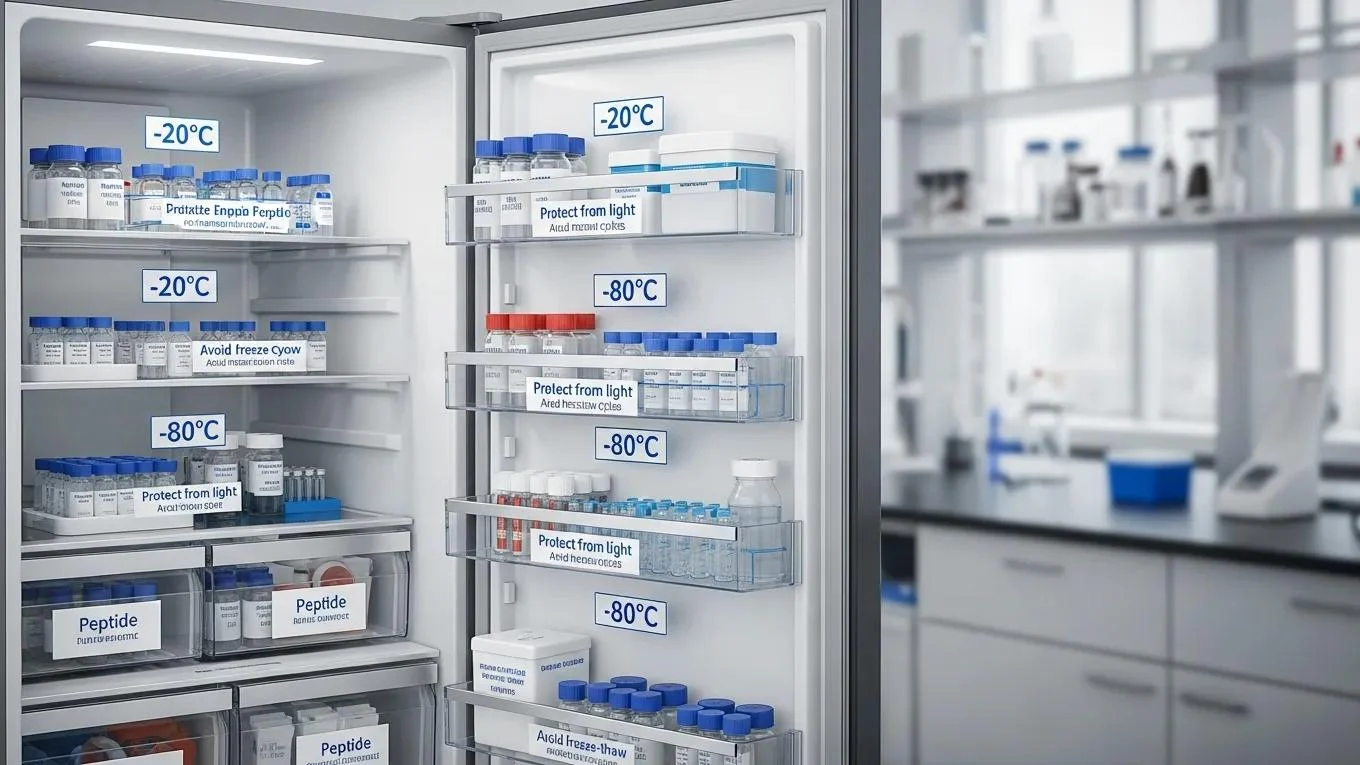
Peptides should be stored in a cool, dry place, ideally at temperatures between -20°C and -80°C. It is also important to avoid freeze-thaw cycles, as these can degrade peptide quality. Researchers should refer to specific storage guidelines provided by suppliers to ensure optimal conditions.
How Does Proper Storage Affect Peptide Stability and Research Outcomes?
Proper storage significantly impacts peptide stability and, consequently, research outcomes. Degradation of peptides due to improper storage can lead to unreliable results in experiments. By adhering to recommended storage practices, researchers can ensure that their peptides remain effective and reliable for their intended applications.